
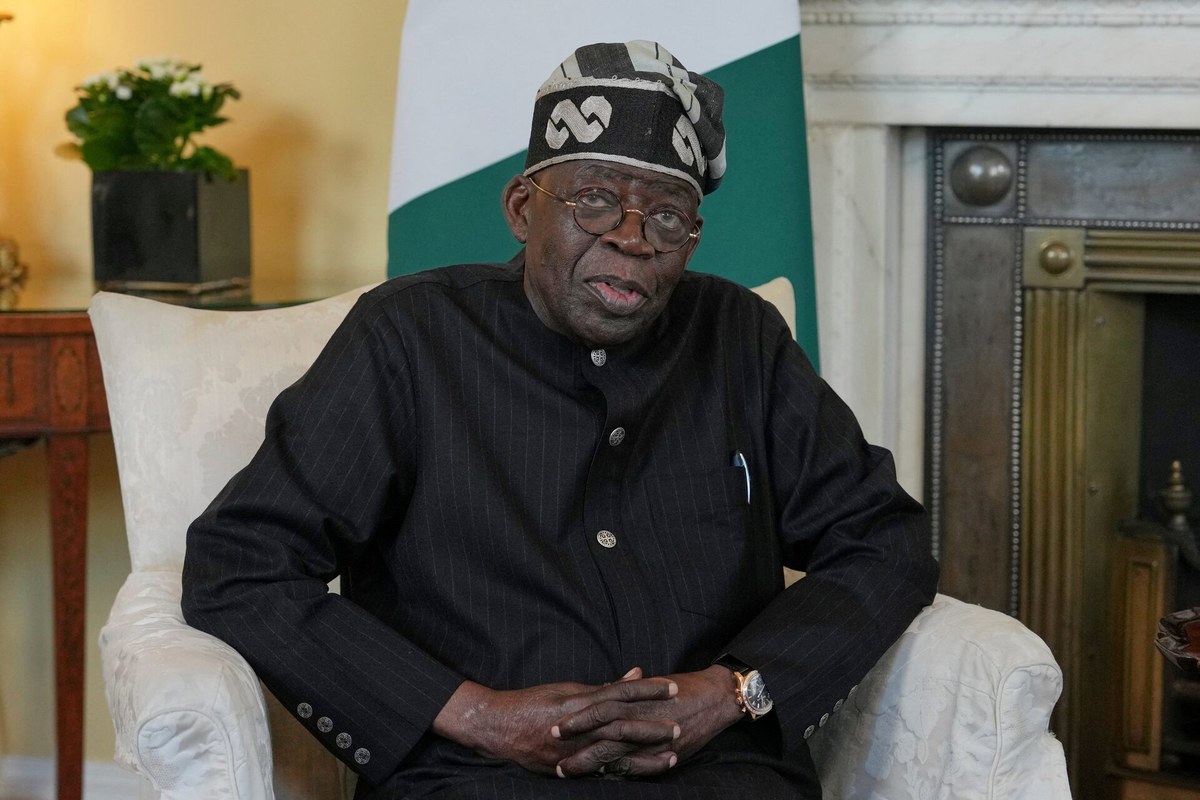
In a significant moment for autism advocacy in Nigeria, President Bola Tinubu has publicly recognized young artist Kanyeyachukwu Tagbo Okeke for his extraordinary achievement in creating what has been described as the largest art canvas in the world. This recognition, coming during World Autism Awareness Day celebrations on April 2, 2025, represents a watershed moment in the national conversation about neurodiversity.
A Presidential Endorsement that Matters
President Tinubu's acknowledgment of Kanyeyachukwu's artistic talents goes beyond mere congratulations. It signals a shift in how Nigeria's leadership views autism and neurodivergent individuals. By personally praising Kanyeyachukwu's work, President Tinubu has elevated autism awareness to the national stage, challenging long-held stigmas and misconceptions.
"The President's message demonstrates an understanding that individuals with autism possess unique abilities and perspectives that enrich our national fabric," notes The Zeebah Foundation's spokesperson. "His words carry immense weight in reshaping the public perception of autism in Nigeria."
The Reality of Autism in Nigeria
While autism awareness is growing globally, the situation in Nigeria presents unique challenges. According to CDC data, autism prevalence in the United States is approximately 1 in 36 children. Nigeria has no national prevalence study, and reviews of the available literature report that many cases remain undiagnosed because of limited healthcare resources and awareness.
The study by Lagunju et al. (2014) highlighted that many Nigerian children with autism, especially those with nonverbal autism, face multiple barriers to diagnosis and treatment. These include:
- Limited specialized healthcare resources
- High costs of evaluation and treatment
- Widespread misconceptions about autism
- Stigmatization of neurodevelopmental conditions
- Lack of trained specialists in rural and underserved areas
Breaking Down Barriers Through Leadership
President Tinubu's public recognition of Kanyeyachukwu's achievement works to destigmatize autism in several important ways:
- Visibility: By highlighting the achievements of a young Nigerian with autism on a national platform, President Tinubu brings visibility to autism in a positive context.
- Shifting Narratives: The focus on Kanyeyachukwu's extraordinary abilities, rather than limitations, helps change the narrative around autism from one of disability to one of different abilities.
- Policy Implications: The President's interest signals the potential for policy changes that could improve support systems for neurodivergent Nigerians.
- Continental Leadership: Nigeria, as Africa's most populous nation, sets an example for other African countries in addressing neurodevelopmental conditions with dignity and respect.
A New Era for Autism Advocacy in Africa
President Tinubu's recognition represents more than a single moment of celebration, it potentially marks the beginning of a new era for autism advocacy across Africa. By demonstrating that leadership begins with acknowledgment and celebration of neurodivergent achievements, Nigeria positions itself as a continental leader in inclusive governance.
"We hope other African leaders will follow President Tinubu's example," says an advocacy spokesperson. "This recognition of Kanyeyachukwu's artistic achievement provides a template for how national leaders can use their platform to promote understanding and acceptance of autism."
The Path Forward
The challenge now is to translate this presidential recognition into tangible improvements in autism services, education, and support across Nigeria. Advocates hope that President Tinubu's public stance will inspire:
- Increased government funding for autism research and services
- Implementation of early screening programs in healthcare systems
- Development of specialized education programs
- Greater inclusion of neurodivergent perspectives in policy-making
- Continued public education to reduce stigma
President Tinubu's praise for Kanyeyachukwu's historic artistic achievement marks a significant step forward in Nigeria's journey toward becoming a more inclusive society. By recognizing the exceptional contributions of a young Nigerian with autism, the President has helped set the stage for a more enlightened approach to neurodiversity across the African continent.
As World Autism Awareness Day initiatives like those by the Zeebah Foundation and Kanyeyachukwu Autism Society continue to build momentum, the backing of national leadership provides crucial validation for families, educators, and individuals living with autism throughout Nigeria.
References
American Psychiatric Association. (2013). Diagnostic and statistical manual of mental disorders (5th ed.). American Psychiatric Publishing.
Bakare, M. O., Munir, K. M., & Bello-Mojeed, M. A. (2014). Public health and research funding for childhood neurodevelopmental disorders in Sub-Saharan Africa: A time to balance priorities. Healthcare in Low-Resource Settings, 2(1), e2. https://doi.org/10.4081/hls.2014.1559
Centers for Disease Control and Prevention. (2023). Autism and Developmental Disabilities Monitoring (ADDM) Network. https://www.cdc.gov/ncbddd/autism/addm.html
Lagunju, I. A., Bella-Awusah, T. T., & Omigbodun, O. O. (2014). Autistic disorder in Nigeria: Profile and challenges to management. Epilepsy & Behavior, 39, 126–129. https://doi.org/10.1016/j.yebeh.2014.08.020
World Health Organization. (2024). Autism spectrum disorders. https://www.who.int/news-room/fact-sheets/detail/autism-spectrum-disorders
Zeebah Foundation & Kanyeyachukwu Autism Society. (2025). World Autism Awareness Day initiative report. Lagos, Nigeria.